
Blog
My Dog Got Hurt at the Beach: Saltwater Injuries, Paw Problems, & Infections in Central Florida Dogs

Beautiful summer weather has arrived, and along with that comes trips to the beach. If you are planning on taking your pets along to enjoy a fun day in the sun, here are some helpful reminders to keep them safe while enjoying Florida’s many beautiful beaches.
Continue…Spring Cleaning Safety for Pets: Hidden Hazards in Common Household Cleaners

A good spring cleaning can make your home feel refreshed and make you ready to tackle the summer months ahead. It’s an excellent way to clear out winter’s clutter and let go of what no longer sparks joy for you. But with spring cleaning comes the use of cleaning products, which can be hazardous for your pet.
Here are the things the team at South Seminole Animal Hospital wants you to know about pet-safe spring cleaning practices.
Continue…How to Protect Your Pet’s Heart
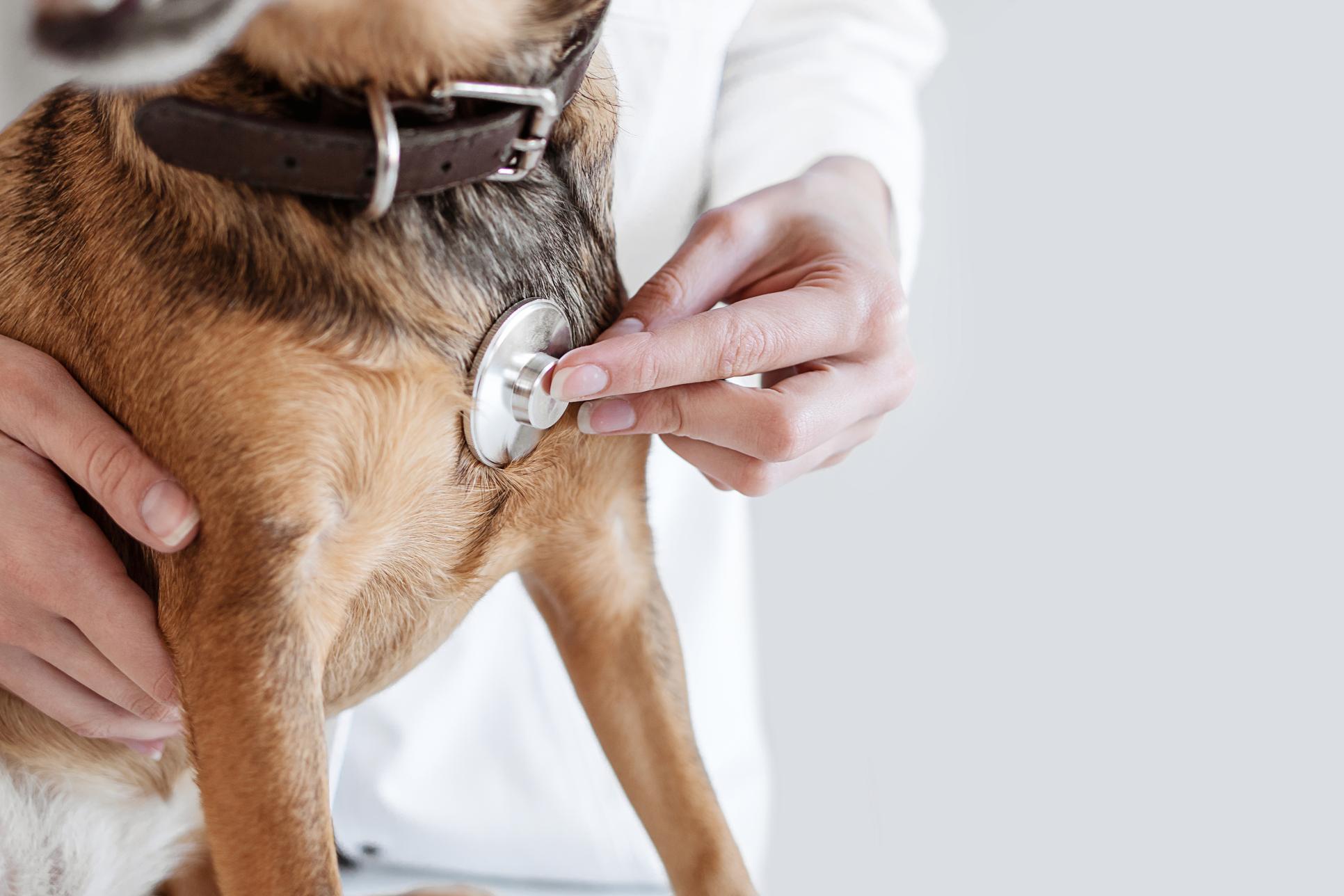
It’s Valentine’s Day Month—an excellent time to learn more about your furry valentines and their heart health. Just like humans, dogs and cats can develop heart conditions that negatively affect their health, comfort, and longevity. The good news is that with early intervention, many pet heart health issues can be managed.
Here’s what the team at South Seminole Animal Hospital wants you to know about pet health awareness this February.
Continue…Why Does My Dog Eat Leaves? Weird Fall Behaviors Explained

If you’ve ever found yourself wondering, “Why does my dog eat leaves?”—especially during the fall—you’re not alone. As the seasons change and leaves flutter to the ground, many pet parents notice their furry companions suddenly developing a taste for foliage. This quirky behavior is usually harmless, but it’s important to understand what’s behind it.
Continue…Halloween Safety Tips for Pets

Happy Halloween from South Seminole Animal Hospital! Pets and spooky celebrations can make a great pair, but be sure that you are following our halloween safety tips for maximum fun!
Continue…Keep Your Cats Hydrated in Summer

Modern domestic cats share a common ancestor. Felis silvestris lybica can be traced to the Near East Neolithic period of the Fertile Crescent, and to the Classical period of ancient Egypt. The dry, warm geographical location of their origin suggests that today’s cats are equally adaptable to hot, desert conditions. Indeed, today’s pet cats have a lower thirst drive than other animals, but they still require adequate daily hydration throughout the year, and especially during the summer months.
Continue…Protecting Your Pet from Fleas, Ticks, and Heartworms
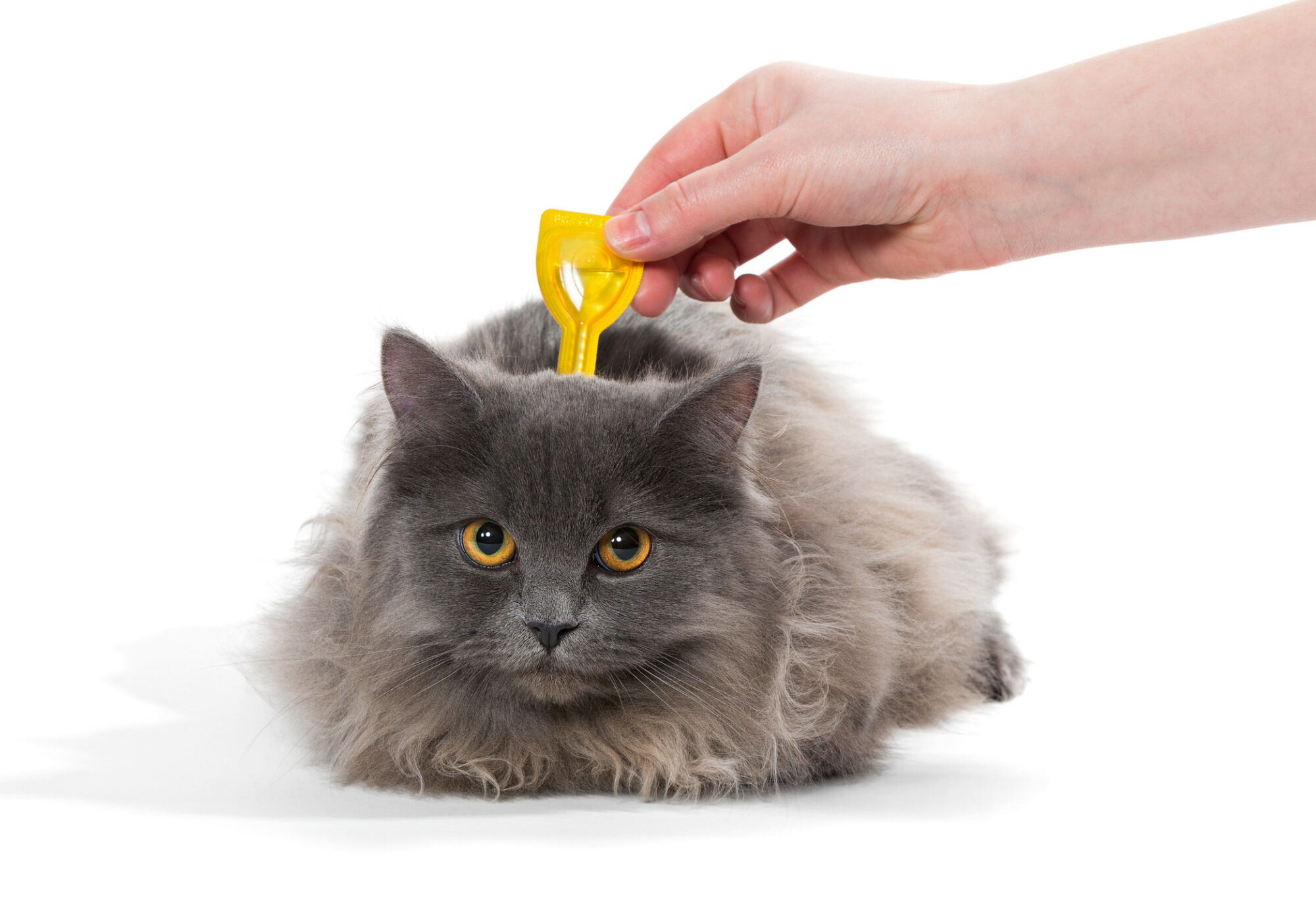
When it comes to parasite prevention in pets, a strong offensive is truly the best method for safeguarding a pet’s health. In Florida’s environment fleas, ticks, and heartworm-carrying mosquitoes are a threat year round, no matter what zip code or neighborhood you live in.
Continue…Avoiding Festive Foods that Cause Pancreatitis in Dogs

The holiday season is a time for indulgence, but while we may enjoy the feast, our furry friends may not be so lucky. At South Seminole Animal Hospital, we often see a spike in pancreatitis cases during this time. While the holidays are full of delicious treats, it’s important to know which festive foods can harm your dog’s health.
Continue…What to Know About Dilated Cardiomyopathy in Dogs

When extensive details regarding a dog’s lifestyle, diet, and genetics are known, we may have a stronger influence on their future health and longevity. As for disease prevention, daily exercise, proper nutrition, and routine medical care all go a long way toward maintaining or improving overall wellness. Unfortunately, there are certain health conditions that, due to genetics or other factors, are unavoidable.
In cases of dilated cardiomyopathy in dogs, there are some known predictors of this disease. Characterized by the heart’s inability to circulate blood throughout the body, this serious and progressive disease needs immediate and continued intervention.
Continue…Preventing Diabetes in Pets Is Possible
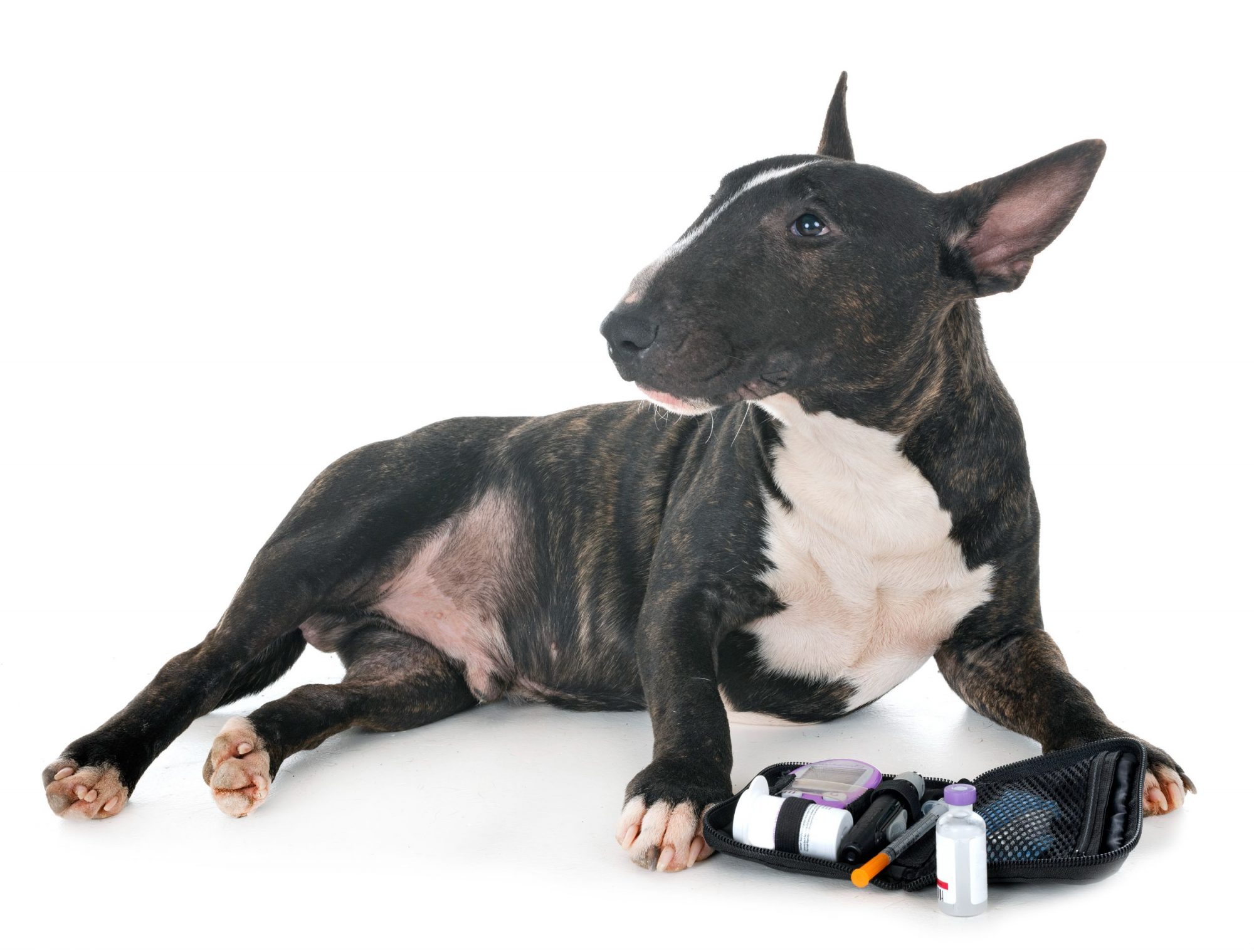
Diabetes in pets is a common disease that requires careful attention. Some breeds may be genetically predisposed to diabetes, but most cases can be prevented with a proactive approach with both diet and exercise. Pet diabetes can be treatable and oftentimes successfully managed.