
Blog
Geriatric Pet Care: What Every Owner Needs to Know
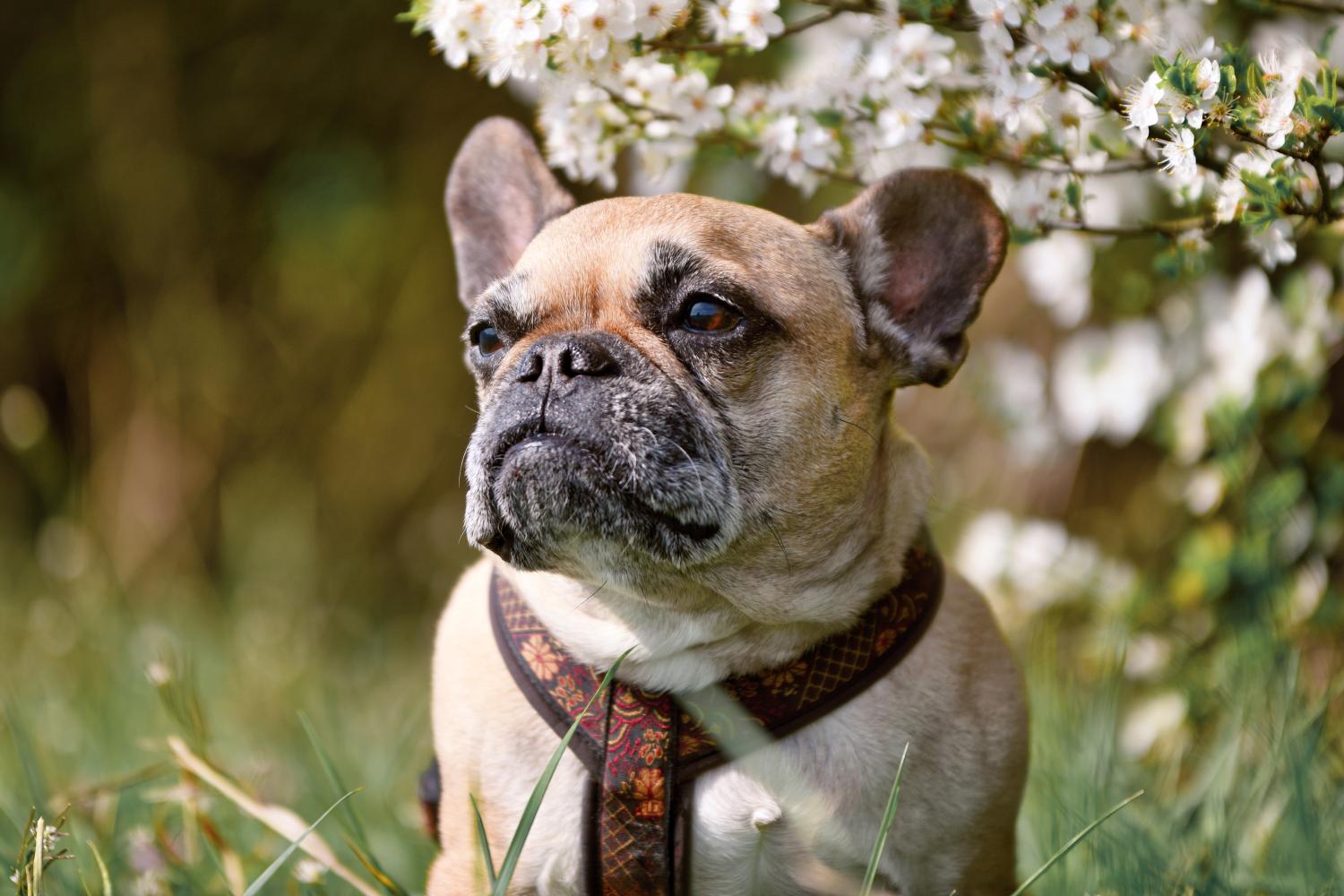
One day you’re buying puppy treats and feather toys, and the next you’re noticing a little gray around the muzzle or a longer nap in the afternoon sun. Pets age faster than we’d like, and with that comes new needs. At South Seminole Animal Hospital in Casselberry, FL, we focus on thoughtful senior pet care to help your dog or cat stay comfortable, active, and well supported through the years.
When Is a Pet Considered “Senior”?
Most dogs and cats are considered senior pets after age 7, though large-breed dogs may age a bit sooner. Senior dog care and senior cat care focus on monitoring subtle changes that can signal early health concerns.
You might notice:
- Slower movement or stiffness after resting
- Changes in appetite or weight
- Increased thirst or urination
- Cloudy eyes or dull coat
- Altered sleep patterns
- Less interest in play
These shifts can be a normal part of aging, but they can also indicate treatable medical conditions. The key is not to assume “it’s just old age.”
Why Wellness Visits Matter More Than Ever
As pets age, their bodies change more quickly. That’s why, in aging pets, care often includes wellness exams every six months instead of once a year.
Regular checkups help monitor:
- Blood pressure
- Kidney and liver function
- Thyroid levels
- Blood glucose
- Dental health
- Joint mobility
For older dog health, early detection of arthritis, heart disease, or endocrine disorders through routine exams and diagnostic tests can dramatically improve comfort and longevity. For older cat health, identifying kidney disease or hyperthyroidism early with appropriate diagnostic tests often makes long-term management much easier. These tests help catch small issues before they become big ones.
Nutrition and Weight Management
Metabolism slows with age. Some senior pets gain weight easily, while others lose muscle mass.
Senior dog care and senior cat care may include dietary adjustments to support:
- Joint health
- Healthy weight maintenance
- Kidney support
- Digestive sensitivity
- Lean muscle preservation
Even a few extra pounds can strain aging joints. On the other hand, unexplained weight loss can signal an underlying illness. Balanced nutrition is one of the simplest but most powerful tools in caring for aging pets.
Mobility and Comfort
Stiffness isn’t uncommon in older pets, but it shouldn’t be ignored. Arthritis is one of the most common concerns affecting older dogs and cats.
You can help by:
- Providing orthopedic bedding
- Using ramps instead of stairs
- Keeping nails trimmed for better traction
- Encouraging gentle, consistent exercise
- Discussing joint supplements or medications
Small environmental changes often make a big difference in comfort. Senior pets still enjoy activity, but they may prefer a shorter walk than they did in their younger years.
Dental Health and Internal Medicine
Dental disease tends to progress with age. Left untreated, it can affect organs such as the heart and kidneys. Professional cleanings and oral exams are essential parts of comprehensive senior pet care.
Beyond teeth, internal medicine becomes increasingly important. Chronic conditions are more common in older pets, but many are highly manageable with early diagnosis and thoughtful treatment plans.
Partnering in the Golden Years
Your pet’s senior years can be some of the most meaningful. With attentive care, you can help ensure they remain comfortable, engaged, and surrounded by love.
We invite you to call South Seminole Animal Hospital today at (407) 831-5205 to schedule a wellness and preventive care visit. Our doctors are here to guide you through every stage of your pet’s life with compassion and expertise.
We look forward to helping your companion enjoy many more happy, healthy years by your side.