
Blog
Spring Cleaning Safety for Pets: Hidden Hazards in Common Household Cleaners
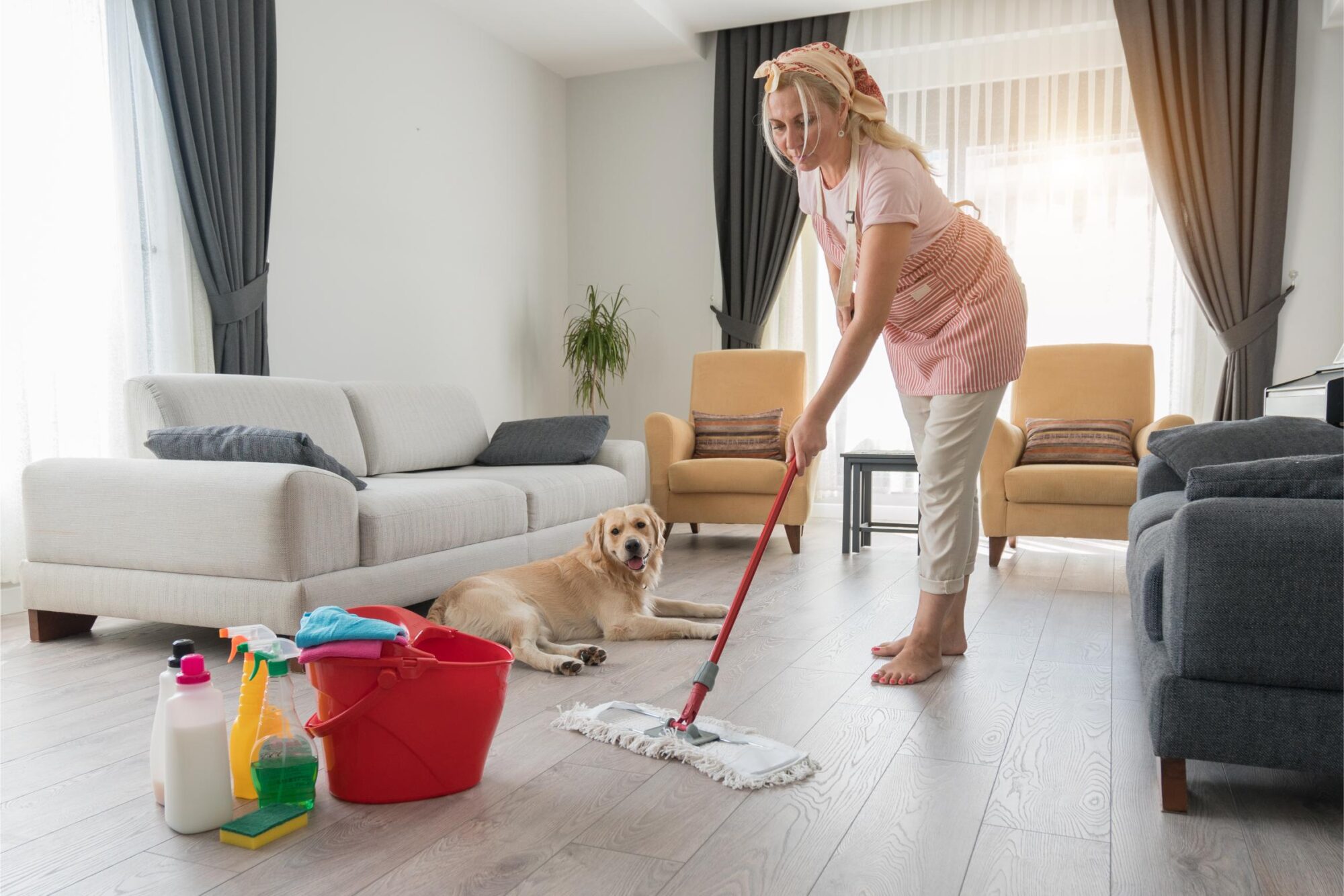
A good spring cleaning can make your home feel refreshed and make you ready to tackle the summer months ahead. It’s an excellent way to clear out winter’s clutter and let go of what no longer sparks joy for you. But with spring cleaning comes the use of cleaning products, which can be hazardous for your pet.
Here are the things the team at South Seminole Animal Hospital wants you to know about pet-safe spring cleaning practices.
Which Household Cleaners Are Toxic to Pets?
The most common toxic household cleaning products for pets are those that contain bleach, ammonia, phenol-based disinfectants, quaternary ammonium compounds, chlorine, and concentrated essential oils.
These substances can cause a range of problems if your pet ingests them or inhales their fumes, including chemical burns, gastrointestinal injury, and respiratory distress. Cats are particularly sensitive to phenols because they don’t have the liver enzymes needed to safely metabolize these compounds.
If you have a lot of kitties in your home, try to avoid phenol-based cleaners completely. It’s far too easy to expose a pet to a toxic cleaning product, even accidentally.
How Pet Poisoning From Cleaning Products Happens
Many cases of pet poisoning from cleaning products happen during routine cleaning sessions. Pets might lick a freshly mopped floor, chew an unattended bottle of toilet cleaner, or inhale fumes in the freshly cleaned bathroom.
Because spring cleaning can often be a multi-day project, there’s a higher risk of harmful cleaning products being left out.
Signs of exposure from cleaning products include vomiting, drooling, lethargy, coughing, wheezing, and paw or skin irritation. If you notice any of these symptoms, reach out to your nearest urgent care or emergency veterinarian right away.
The sooner you can get a diagnosis and treatment started, the better the outcome for your pet.
Safer Cleaning Practices for Pet Parents
Improving your pet cleaning product safety measures doesn’t mean you have to stop using disinfectants completely. We recommend these easy tips:
- Use each cleaning product exactly as directed, down to the amount of cleaner sprayed to the time it takes for the area to fully dry
- Open all the windows and run all the fans for maximum ventilation
- Keep pets away from the areas you’re currently cleaning—and don’t bring them back until all surfaces are totally dry
- Store all cleaning products securely—ideally, somewhere with a pet-safe padlock
These steps go a long way toward preventing unwanted exposure to harmful products, making for a safe and happy spring cleaning for everyone in the family, pets included.
If you need more tips for pet-safe cleaning materials or want help determining if a skin or paw issues could be cleaning-related, reach out to our caring team at South Seminole Animal Hospital. Call us at (407) 831-5205 to schedule an appointment today!