
Blog
My Dog Got Hurt at the Beach: Saltwater Injuries, Paw Problems, & Infections in Central Florida Dogs
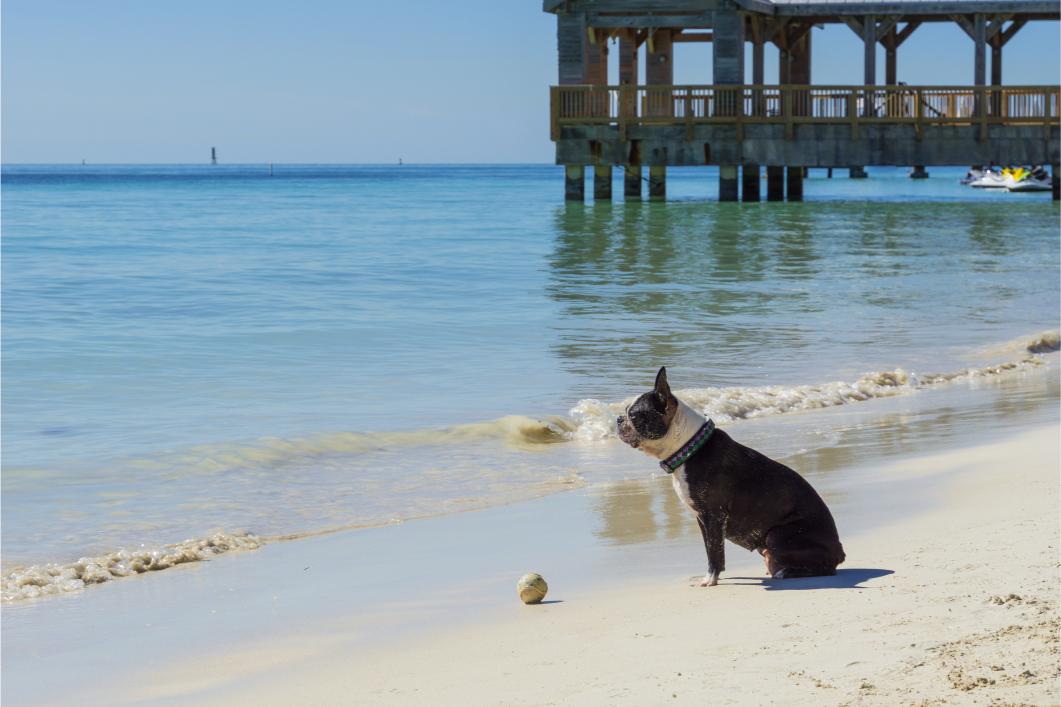
Beautiful summer weather has arrived, and along with that comes trips to the beach. If you are planning on taking your pets along to enjoy a fun day in the sun, here are some helpful reminders to keep them safe while enjoying Florida’s many beautiful beaches.
Saltwater Injuries to Look Out For
A fun day at the beach can sometimes leave your dog with serious injuries. Be on the lookout for symptoms of saltwater poisoning. Your pet can easily swallow saltwater or consume sand, debris, or leftover food, which puts them at risk for sand impaction or saltwater toxicity. It’s important to watch your pet closely for saltwater poisoning. Early detection of symptoms can make a big difference in your pet’s recovery.
Common Beach Injuries
Spending time at the beach exposes your pet to a variety of hazards, including:
- Saltwater toxicity
- Deep paw wounds
- Hot sand paw burns
- Ear infection after swimming in the ocean
- Skin infection after playing in the sand
- Insect and crab bites
Symptoms of Saltwater Poisoning
If your dog has accidentally consumed saltwater at the beach, keep an eye out for these warning signs:
- Dehydration
- Vomiting
- Diarrhea
- Lethargy
- Seizures or tremors
If your pet is showing any of these saltwater poisoning symptoms, please seek veterinary care right away.
Immediate Care for Beach-Related Injuries
If you suspect your dog has consumed too much saltwater, offer plenty of fresh water and move them to a cool, shaded area. Monitor their behavior closely. If symptoms do not improve quickly, contact your veterinarian for immediate care.
Saltwater and sand can also irritate your pet’s skin. This can lead to a dog skin infection after a day at the beach, often caused by bacteria trapped in their fur coat. Rinse your pet thoroughly with fresh water after every beach visit to help prevent irritation and infection.
Keep Your Pets’ Paws Paw-tastic!
It’s important to protect your dog’s paws while at the beach. Hot sand and rough surfaces can easily cause a paw laceration or painful burns. Even a minor dog paw injury from beach sand can become infected if not treated properly.
Watch for signs of paw problems, such as:
- Redness
- Swelling
- Pus
- Limping
- Constant licking of a paw
If your dog has a cut or abrasion, gently clean the area with mild soap and warm water. Keep the paw clean and dry. You can also soak your dog’s paws in warm water mixed with Epsom salt for about 10 minutes to help soothe any discomfort and reduce the risk of infection.
To prevent further irritation:
- Use an e-collar to stop licking
- Place a loose sock over the paw if needed
- Consider dog booties during the healing period
Ear & Skin Health After a Day at the Beach
Swimming in the ocean can leave moisture and bacteria trapped in your dog’s ears, leading to a dog ear infection after swimming in the ocean. Signs your pet may have an infection or irritation include:
- Head shaking
- Scratching
- A foul odor
Always dry your dog’s ears thoroughly after swimming. If you notice irritation, redness, or discharge, schedule a veterinary visit.
Skin issues like irritations are also common after beach trips, look for symptoms like:
- Redness
- Itching
- Small pimple-like bumps
Rinsing and drying your dog properly can help prevent these common skin irritations.
Keeping Your Pet Safe & Happy at the Beach
A little preparation goes a long way in keeping your pet safe. Bring fresh water, provide shade, and take breaks to prevent overheating. Keep a close eye on what your dog is eating or drinking, and check their paws, ears, and skin after your visit.
By staying aware of potential risks like sand impaction in dogs and saltwater exposure, you can help ensure your beach day stays fun and stress-free!
Protect Your Pet’s Health After Every Beach Visit
Your pet depends on you to notice when something is not right. Whether it is a cut paw, signs of infection, or saltwater toxicity symptoms, early care is key.
If you have concerns about your pet’s health after a beach trip, do not wait. Contact South Seminole Animal Hospital today to schedule an exam and make sure your pet gets the care they need to stay healthy and happy all summer long.