
Blog
How to Protect Your Pet’s Heart
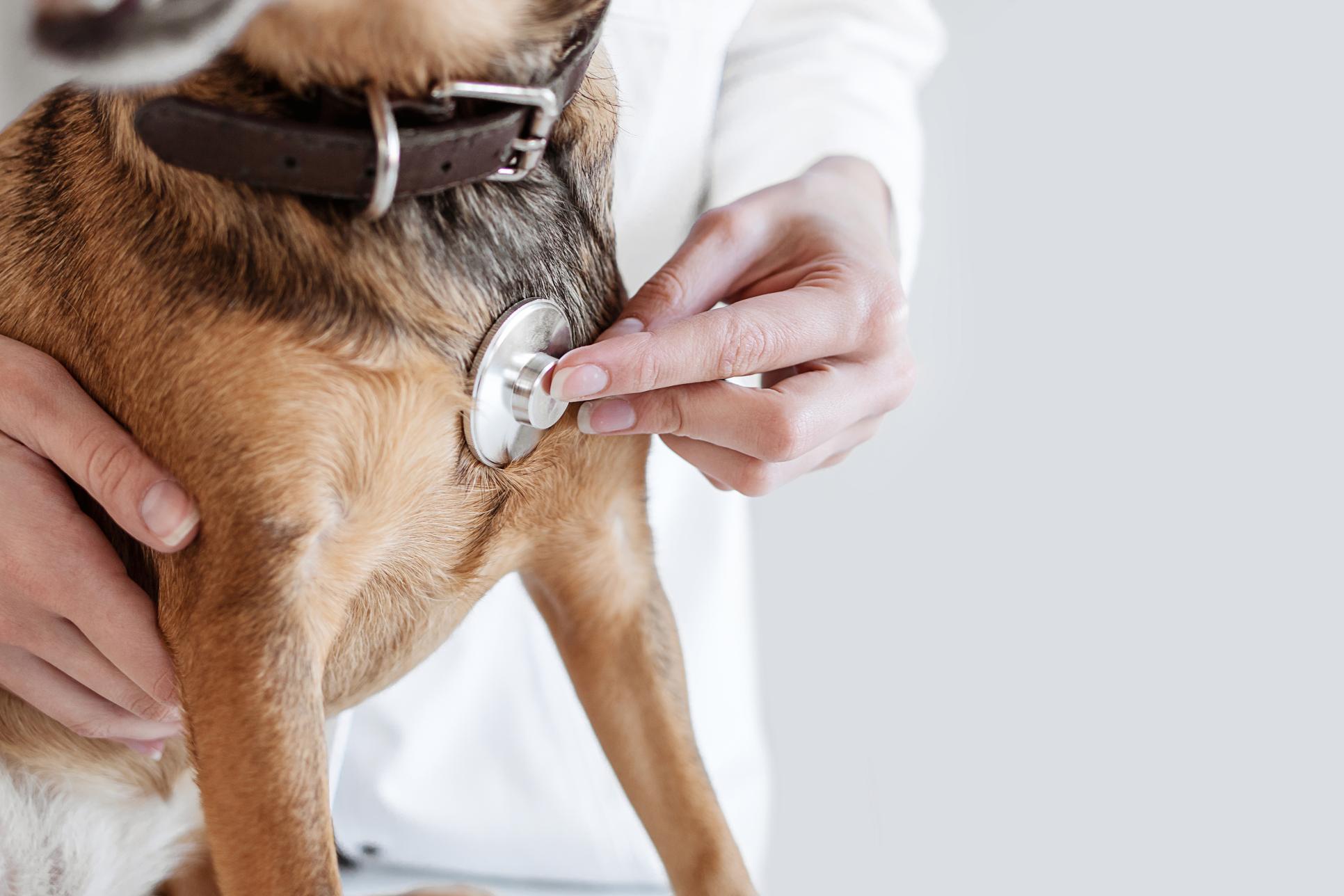
It’s Valentine’s Day Month—an excellent time to learn more about your furry valentines and their heart health. Just like humans, dogs and cats can develop heart conditions that negatively affect their health, comfort, and longevity. The good news is that with early intervention, many pet heart health issues can be managed.
Here’s what the team at South Seminole Animal Hospital wants you to know about pet health awareness this February.
Heart Disease in Dogs and Cats: A Breakdown
Dogs and Heart Disease
For dogs, the most common acquired heart disease is degenerative mitral valve disease, or DMVD. Merck Veterinary Manual estimates that this condition comprises 75% of all cardiovascular disease in dogs.
In DMVD, the mitral valve gets thick and floppy over time, which means it can’t close as it should. This causes blood to leak backward every time the heart contracts. This backward flow makes your pet’s heart work harder, and leads to an enlargement of the heart’s chambers. Left untreated, it can ultimately result in congestive heart failure.
Age is one of the biggest risk factors for DMVD. The older dogs get, the higher their chance of suffering from valve degeneration.
Small-breed dogs—like Cavalier King Charles Spaniels, Dachshunds, and Poodles—tend to develop this disease more frequently than their larger counterparts, but dogs of any size or breed can get it.
Another significant heart disease in dogs is dilated cardiomyopathy, or DCM. Unlike DMVD, which affects the valves of the heart, DCM is a disease of the actual heart muscle.
The walls of the heart become thin, weak, and stretched out, which makes it hard for it to contract effectively. Over time, this can put your pooch at risk of heart failure or arrhythmias. DCM is more common in large breeds, like Boxers, Great Danes, and Doberman Pinschers. But it can occur in any dog.
Cats and Heart Disease
In cats, the most common acquired heart disease is hypertrophic cardiomyopathy, or HCM. This condition causes the walls of the heart to get thick and stiff, which makes it challenging for the heart to fill and pump like it should. Unfortunately, many cats show no outward signs of this disease until it is in an advanced stage.
HCM can affect cats of any age and breed, but it’s most frequently diagnosed in adult and senior cats. Some species, including Main Coons, Ragdolls, British Shorthairs, and Sphynx, are more susceptible.
HCM can lead to congestive heart failure or dangerous blood clots that can impair blood flow to your cat’s hind limbs.
How to Spot and Treat Heart Disease in Dogs and Cats
Even though they’re different species, dogs and cats share many of the same symptoms of heart disease. These can include:
- Noisy, labored, or shallow breathing
- Coughing (especially in dogs)
- Lethargy
- Reluctance to play
- Hind-limb weakness or paralysis (especially in cats)
- Fainting or collapsing
- Lowered appetite/weight loss
- Swollen belly from fluid buildup
If you see any of these signs of heart problems in pets, reach out to your veterinarian right away. The earlier you can start treatment, the better. Treatment may involve anything from medications that support heart function and diuretics to blood pressure and rhythm-regulating medications and therapeutic diets.
Gentle, consistent exercise and weight management are always a good idea, too.
Veterinary Dog and Cat Heart Care in Casselberry, FL
The experienced veterinary team at South Seminole Animal Hospital is here to help your pet enjoy life—heart condition and all. We provide diagnosis, treatment, and support throughout your pet’s health journey. Call us at (407) 831-5205 to schedule an appointment today.