
Blog
Your Dog Scooting Across the Floor? Anal Gland Problems and What Casselberry Owners Should Do
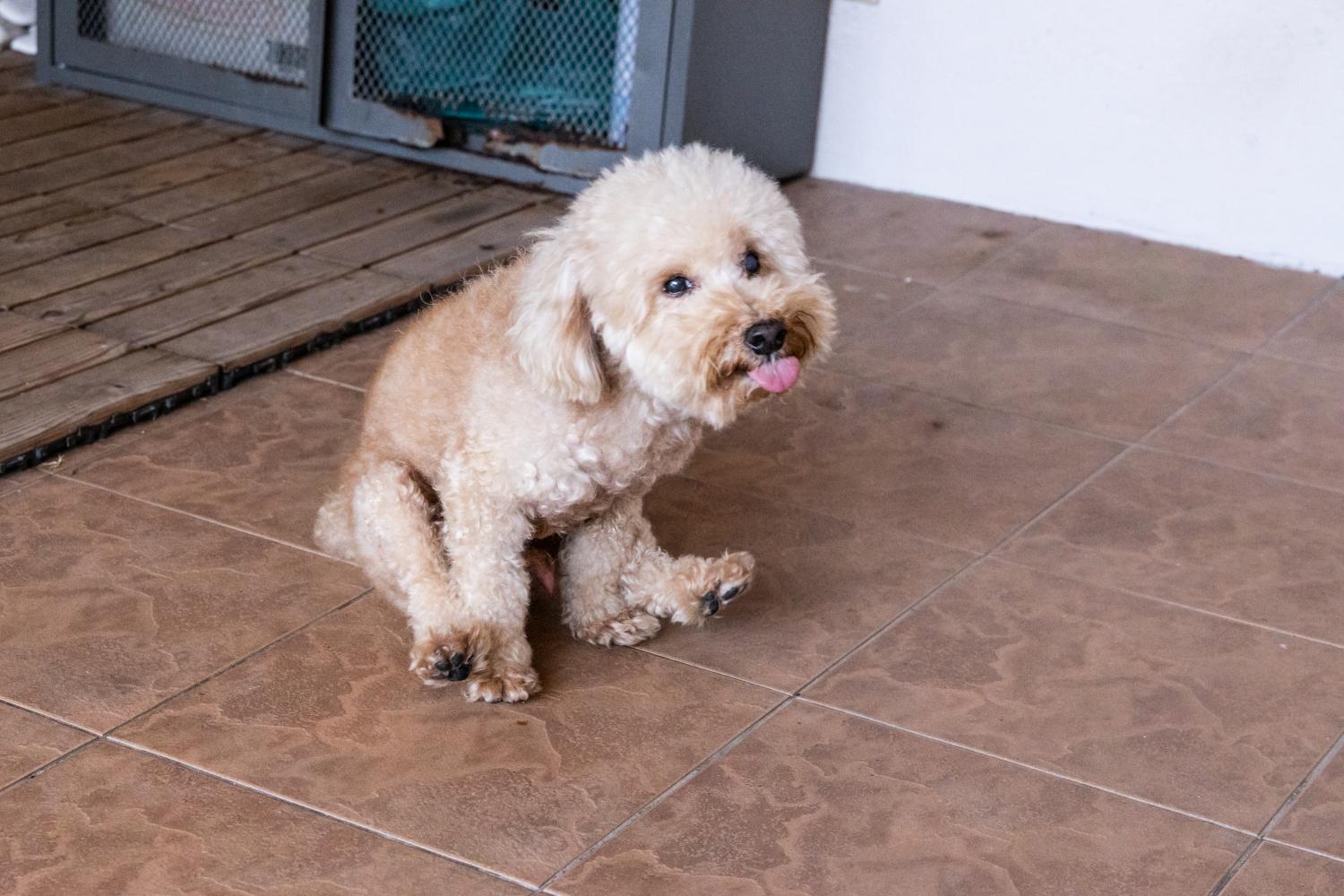
Few things grab a pet parent’s attention quite like a dog suddenly dragging their rear end across the carpet. It may look funny for a moment, but when scooting behavior becomes frequent, it’s a signal your dog may be trying to tell you something important.
Dog anal gland problems aren’t just awkward; they’re uncomfortable. At South Seminole Animal Hospital, we can help pet parents put a stop to the boot-scoot-boogie, and restore their dogs to better health.
Why Do Dogs Scoot?
Dogs have two small anal sacs located on either side of the anus. Normally, these sacs release their secretions during bowel movements. Sometimes, however, the sacs don’t empty properly and can become impacted, painful, and even infected.
Anal gland impaction in dogs in Casselberry can cause significant discomfort. Scooting is often one of the first clues, but you may also notice:
- Excessive licking or biting around the rear end
- A strong, unpleasant odor
- Redness or swelling
- Reluctance to sit
- Sensitivity when the tail or hindquarters are touched
Is It Always an Anal Gland Problem?
Not necessarily. While dog anal gland problems are a common cause of scooting, other conditions can cause an itchy or irritated rear end. Allergies, parasites, skin infections, and other problems may produce similar behavior. That’s why it’s better to investigate the cause than simply assume your dog needs their anal glands expressed.
What Should Casselberry Owners Do?
If your dog’s occasional scoot has turned into a daily routine, schedule a veterinary examination. We can examine the area and determine whether the anal sacs are impacted, infected, or affected by another underlying problem.
Treatment depends on what’s causing the discomfort. Impacted sacs may need to be professionally emptied, while infections may require additional treatment. Dogs with recurring anal gland problems may also need to be evaluated for contributing issues such as allergies or changes in stool consistency.
And one important rule: don’t try to diagnose or treat a painful anal gland problem at home. A dog with a painful rear end may react unexpectedly when the area is touched.
When Is Scooting an Urgent Concern?
Call your veterinarian promptly if scooting is accompanied by:
- Blood or pus near the anus
- Significant swelling
- Severe pain
- Difficulty passing stool
- A sudden change in behavior
- Persistent licking or biting of the area
Don’t Let Scooting Behavior Become Routine
An occasional rear-end shuffle may simply be an itch that needs scratching. But when your dog’s scooting behavior becomes frequent, it’s time to seek help.
Our team can help identify the cause of your dog’s irritation and recommend appropriate treatment. Whether it’s an anal gland problem, allergies, or another source of discomfort, knowing the cause can help your dog feel better faster. Please contact us at (407) 831-5205 for help with anal gland impaction in dogs in Casselberry.