
Blog
Why Is My Senior Cat Drinking So Much Water? Kidney, Thyroid, & Diabetes Warning Signs
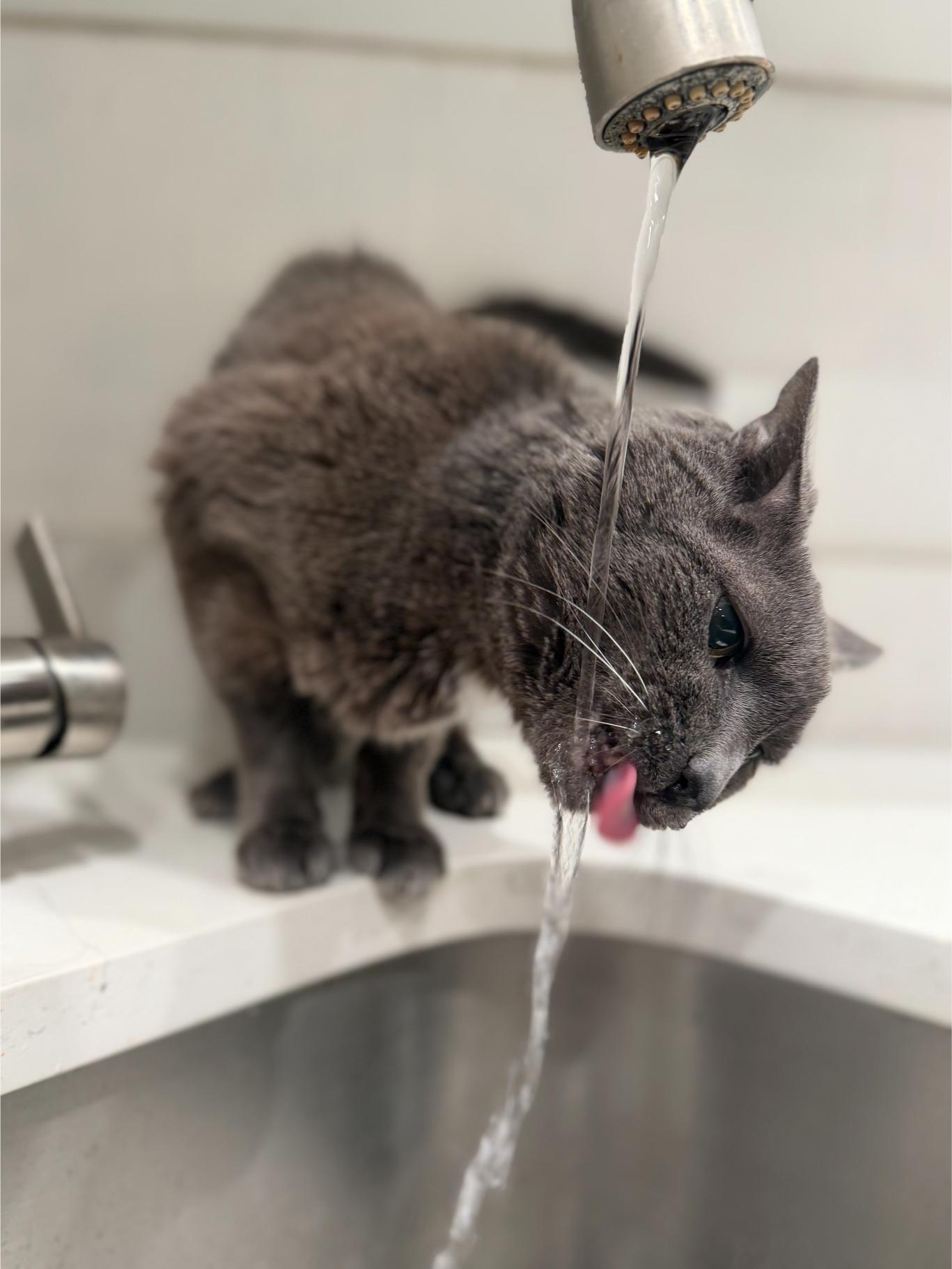
Cats can be hard to read when something feels wrong, so even a small change in routine can be meaningful. If your senior cat is drinking a lot of water, filling the litter box more quickly, or visiting the water bowl more often, it’s worth paying attention.
At South Seminole Animal Hospital in Casselberry, FL, our veterinarians can investigate these changes and determine whether your cat needs treatment.
How Much Water Is Too Much?
A cat’s water intake may vary depending on diet, activity level, medications, and weather. Cats that eat primarily dry food usually drink more than those eating canned food. However, a noticeable or persistent increase in thirst isn’t simply a normal part of aging.
Signs that your cat may be drinking or urinating more than usual include:
- An empty water bowl sooner than expected
- More frequent trips to the water bowl
- Larger or more numerous clumps in the litter box
- Urinating outside the litter box
- Seeking water from faucets, sinks, or toilets
When possible, note when the change began and whether you’ve observed changes in appetite, weight, energy, or behavior. Don’t limit your cat’s access to water. Increased thirst may be helping their body compensate for an underlying health problem.
Senior Cat Kidney Disease Signs
Chronic kidney disease is common among older cats. Healthy kidneys filter waste from the blood and help the body conserve water. As kidney function declines, cats produce more dilute urine, and drink more to replace the fluid they’re losing.
In addition to increased thirst and urination, senior cat kidney disease signs may include:
- Weight loss
- Reduced appetite
- Nausea or vomiting
- Low energy
- Bad breath
- A dry or unkempt coat
Kidney disease can’t always be reversed, but early diagnosis can make a meaningful difference. Depending on its stage, management may include dietary changes, hydration support, medication, and ongoing monitoring.
Could an Overactive Thyroid Be Responsible?
Hyperthyroidism occurs when the thyroid gland produces too much thyroid hormone. The condition accelerates the body’s metabolism and most often affects middle-aged and older cats.
A cat with hyperthyroidism may lose weight despite having a strong or even ravenous appetite. Other warning signs can include increased thirst and urination, vomiting, diarrhea, restlessness, vocalization, or a rapid heart rate. Because untreated hyperthyroidism can affect the heart, blood pressure, and other organs, a prompt evaluation is important.
Cat Diabetes Symptoms to Watch For
Diabetes mellitus develops when a cat can’t produce enough insulin or use insulin properly. Without effective insulin, glucose builds up in the bloodstream and spills into the urine, drawing additional water with it. This process leads to increased urination and thirst.
Common cat diabetes symptoms include increased appetite, weight loss, low energy, and a decline in coat condition. Some cats also develop weakness in their hind legs and begin walking with their hocks closer to the floor. With appropriate care, many diabetic cats can enjoy a good quality of life.
Finding the Reason for Increased Thirst
Kidney disease, hyperthyroidism, and diabetes can cause similar changes at home, so symptoms alone can’t provide a diagnosis. A veterinary evaluation may include a physical examination, bloodwork, urinalysis, blood pressure measurement, and additional testing based on your cat’s needs.
Early detection often provides more treatment and management options. Regular senior wellness visits also establish baseline results, which makes it easier to recognize gradual changes before they become more serious.
Book Your Senior Cat’s Appointment
If your older cat has suddenly become much more interested in the water bowl, don’t wait for additional symptoms to appear. Call South Seminole Animal Hospital at (407) 831-5205 to book an appointment. We’ll take time to evaluate your cat, explain the findings, and help you make informed decisions about their care.